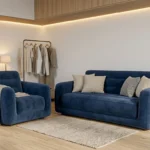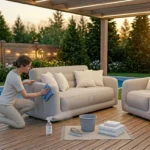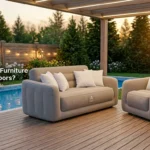
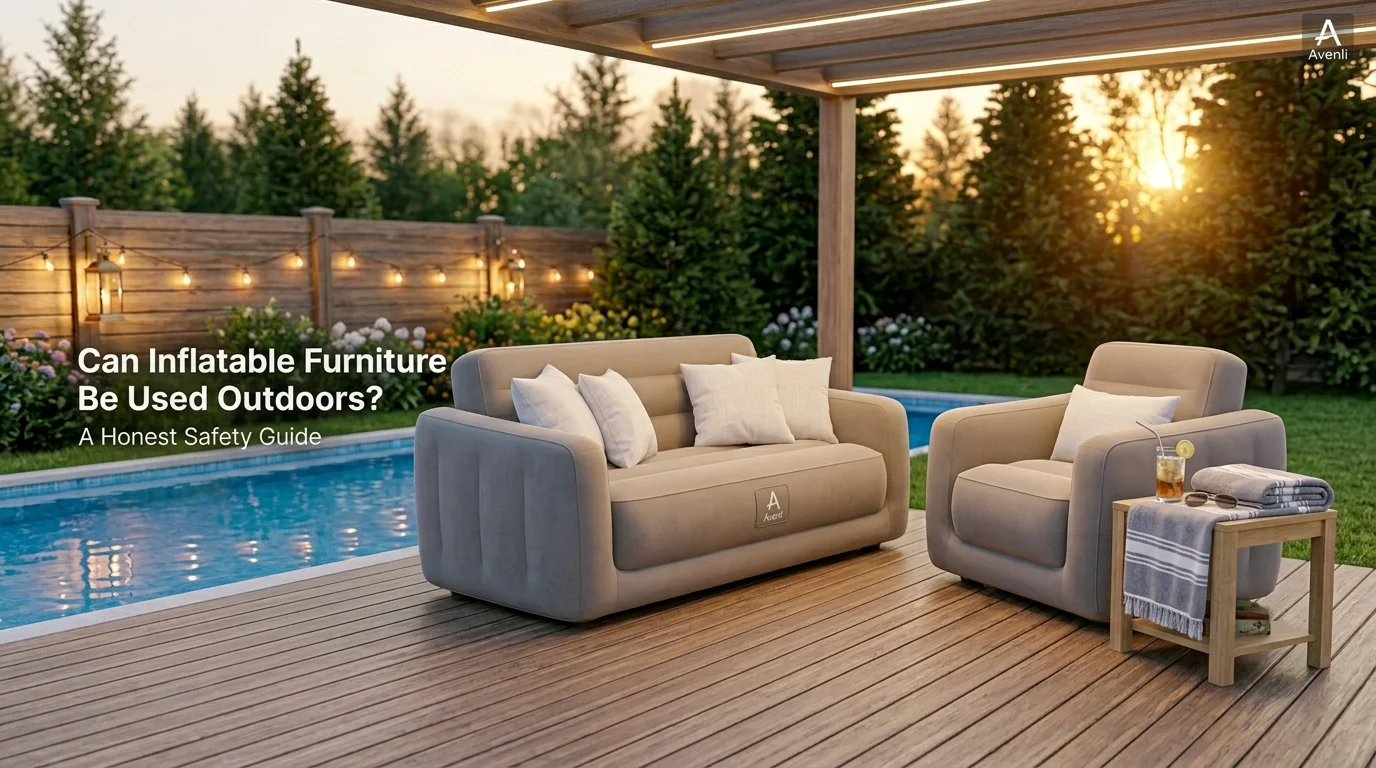
Inflatable furniture looks great on a patio, beside a pool, or set up on the grass for a backyard gathering. But a lot of people hesitate will it handle the sun? What happens if it rains? Is it actually safe to leave outside? The short answer is yes, inflatable furniture can absolutely be used outdoors safely.
Understanding how long outdoor use affects lifespan helps you make smarter setup decisions. Read How Long Does Inflatable Furniture Last? for a full breakdown of lifespan differences between indoor and outdoor use.
The longer answer is that outdoor use requires a bit more care than keeping it in a living room. UV exposure, heat, moisture, and rough surfaces all affect how long your inflatable sofa or chair lasts. This guide covers everything you need to know from surface choices and weather protection to cleaning after outdoor use and what genuinely shortens the life of outdoor inflatable furniture.
Is Inflatable Furniture Safe for Outdoor Use?
Yes, but with some important conditions. Most inflatable furniture sold today including Avenli’s range is made from durable PVC or vinyl material that handles outdoor conditions reasonably well. It is not, however, the same as outdoor patio furniture built from aluminum or treated hardwood. Think of it as weather-tolerant rather than fully weatherproof.
What outdoor inflatable furniture handles well:
- Warm, dry conditions on patios, decks, and lawns
- Light rain when not in use (provided it drains or dries quickly)
- Casual poolside use (splash-resistant, not fully submersible)
- Grass, soft ground, and smooth concrete surfaces
- Regular outdoor temperatures across spring, summer, and fall
What causes problems outdoors:
- Prolonged direct sun exposure without UV protection
- Leaving it inflated outside overnight repeatedly through the season
- Sharp surfaces gravel, rough pavers, exposed screws on decking
- Extreme heat causing over-inflation and pressure on seams
- Long-term moisture sitting on the surface encouraging mold
The material itself is not the limiting factor for outdoor use. How you manage sun, heat, and storage is what determines how long it lasts.
Weather-Resistant Inflatable Furniture: What to Expect
Understanding what “weather resistant” actually means for inflatable furniture helps set realistic expectations before you buy or set up outdoors.
| Weather Condition | Impact on Inflatable Furniture | What to Do |
|---|---|---|
| Direct sunlight (daily) | UV degradation, fading, surface cracking over time | Use UV protectant spray, store in shade when not in use |
| Light rain | Minimal surface dries quickly | Wipe dry after rain, don’t leave pooled water sitting |
| Heavy rain / storms | Risk of over-saturation, mold if stored wet | Bring indoors or cover before heavy rain |
| High heat (35°C+) | Air expands inside, pressure builds on seams | Release a small amount of air on very hot days |
| Cold temperatures | PVC stiffens, becomes less flexible | Bring indoors in winter; never inflate in freezing conditions |
| Wind | Lightweight furniture can shift or tip | Anchor or weight the base on exposed patios |
The biggest threat to outdoor inflatable furniture in Canada is not rain it’s UV exposure combined with heat. Those two together accelerate material breakdown faster than anything else.
Outdoor Inflatable Furniture Setup Tips
Getting the setup right from the start protects the furniture and makes outdoor use much more practical.
After any outdoor session, proper cleaning is essential to prevent UV residue, sunscreen, and grime from degrading the material. See How to Clean Inflatable Furniture Properly at Home for the exact routine that works after outdoor use.
Surface choices from best to worst:
- Smooth concrete or composite decking: Best. No puncture risk, easy to clean under
- Short grass or lawn: Good. Soft, low puncture risk, drains naturally
- Sand (poolside or beach): Fine for short use, but sand works into valves and seams
- Gravel or rough stone: Avoid. High puncture risk, abrasive against the base
- Rough timber decking with exposed screws or nails: Avoid without a ground mat underneath
Setup checklist for outdoor use:
- Inspect the area for sharp objects before inflating
- Place a foam mat, pool tarp, or ground cloth underneath on harder surfaces
- Keep furniture away from BBQ grills, fire pits, and heat sources
- If setting up near a pool, keep 30–60 cm away from the edge
- Inflate to manufacturer recommendations do not over-inflate in hot weather
- Secure or weight the furniture if the space is exposed to wind
One thing many people overlook is the valve position. On outdoor setups, point valves away from ground moisture water sitting on or near a valve is one of the more common causes of slow leaks developing over a season.
Does Sunlight Damage Inflatable Furniture?
This is the most common concern, and it’s a legitimate one. UV radiation breaks down PVC and vinyl at the molecular level over time it’s not visible at first, but after a full season of direct sun exposure you’ll notice the surface becoming less flexible, slightly discoloured, and more prone to cracking.
How to protect outdoor inflatable furniture from UV damage:
- Apply a vinyl UV protectant spray at the start of the outdoor season
- Store under a patio umbrella, pergola, or shade sail during peak sun hours (11am–3pm)
- Use a furniture cover when not in active use
- Bring indoors or into a garage during the hottest weeks if possible
- Reapply UV protectant every 4–6 weeks during outdoor season
A quality UV protectant spray costs very little and genuinely extends the surface life of inflatable furniture. It’s the single most effective thing you can do if you’re using inflatable furniture outdoors regularly through summer.
Can Inflatable Furniture Stay Outside Overnight?
Technically yes occasionally. As a regular habit, it shortens the lifespan noticeably. Morning dew, overnight temperature drops, and prolonged ground moisture all affect the material and valve seals over time.
If you’re using inflatable furniture on a small balcony or patio, our Best Inflatable Furniture for Small Spaces guide covers which pieces work best in compact outdoor areas and how to store them efficiently.
Overnight outdoor storage quick decision guide:
| Situation | Recommendation |
|---|---|
| Warm, dry night, covered patio | Acceptable occasionally |
| Humid summer night, open lawn | Wipe down in morning, check for mold weekly |
| Rain forecast | Bring indoors or cover completely |
| Cold night (under 10°C) | Bring indoors cold stiffens PVC and stresses seams |
| Windy conditions | Bring indoors or fully deflate to prevent movement damage |
| Poolside (damp ground) | Bring indoors moisture accumulation is too high for regular overnight exposure |
The furniture itself is not ruined by one overnight session outside. It is the repeated overnight exposure through a full season without proper drying and inspection that leads to problems.
Inflatable Furniture Outdoor Maintenance and Cleaning
Outdoor use means outdoor grime pollen, sunscreen, grass, insects, and general environmental residue all build up faster than indoors. A simple routine keeps things manageable.
Outdoor maintenance routine:
- After every use: dry wipe with microfiber cloth to remove surface debris
- Weekly during outdoor season: wipe down with mild soap and warm water solution
- Monthly: full clean including seams and valve areas, inspect for any signs of wear
- End of season: thorough clean, full dry, apply vinyl conditioner, store deflated in breathable bag
Inflatable mold prevention for outdoor furniture:
- Never pack away even slightly damp
- After rain or heavy dew, air dry fully before deflating
- Store with a silica gel packet in humid storage areas
- Inspect at season start before first inflation
For stubborn outdoor stains sunscreen residue, grass marks, food spills a small amount of dish soap applied directly to the stain before the full wipe-down works well. Always rinse with a clean damp cloth and dry completely.
FAQs
Here are some frequently asked questions given below:
Is inflatable furniture waterproof for outdoor use?
Most inflatable furniture is water-resistant, not fully waterproof it handles splashes and light rain well, but prolonged submersion or standing water on the surface will eventually cause issues with seams and valves.
Can inflatable sofas be used on grass safely?
Yes, short grass is actually one of the better surfaces for inflatable furniture it’s soft, low-risk for punctures, and drains naturally. Avoid long wet grass, which holds moisture against the base.
How long does outdoor inflatable furniture last with regular use?
With proper UV protection, regular cleaning, and bringing it indoors during bad weather, most quality inflatable furniture lasts two to four outdoor seasons with regular use.
What damages outdoor inflatable furniture fastest?
Prolonged direct UV exposure, leaving it on sharp or abrasive surfaces, packing it away damp, and extreme heat causing over-inflation are the main factors that shorten outdoor inflatable furniture lifespan.
Can inflatable furniture be used near a swimming pool?
Yes, but keep it back from the pool edge, avoid dragging it on rough pool deck surfaces, and wipe down after poolside use sunscreen and chlorine water residue both degrade vinyl over time.
Conclusion
Inflatable furniture works well outdoors when you set it up thoughtfully and maintain it properly. Choose smooth or grassy surfaces, protect against direct UV exposure, don’t leave it out repeatedly overnight, and clean it after every outdoor session.
The material is more durable than most people assume the furniture that fails outdoors early almost always does so because of avoidable factors like sharp surfaces, packed-away-wet storage, or a full season of unprotected sun exposure.
Treat it well and it will handle Canadian summers without issue. Ready to find outdoor-ready inflatable furniture built to last? Browse Avenli’s full collection at avenli.ca and find the right piece for your patio, backyard, or poolside setup.